Open 24/7, Monday to Sunday | Serving Crown Point since 2017(219) 361-0699
Ursula Dumpster RentalDumpster Rental Crown Point, IN
Dumpster Rental Crown Point, IN

Local dumpster service

Dumpster Rental Crown Point, IN

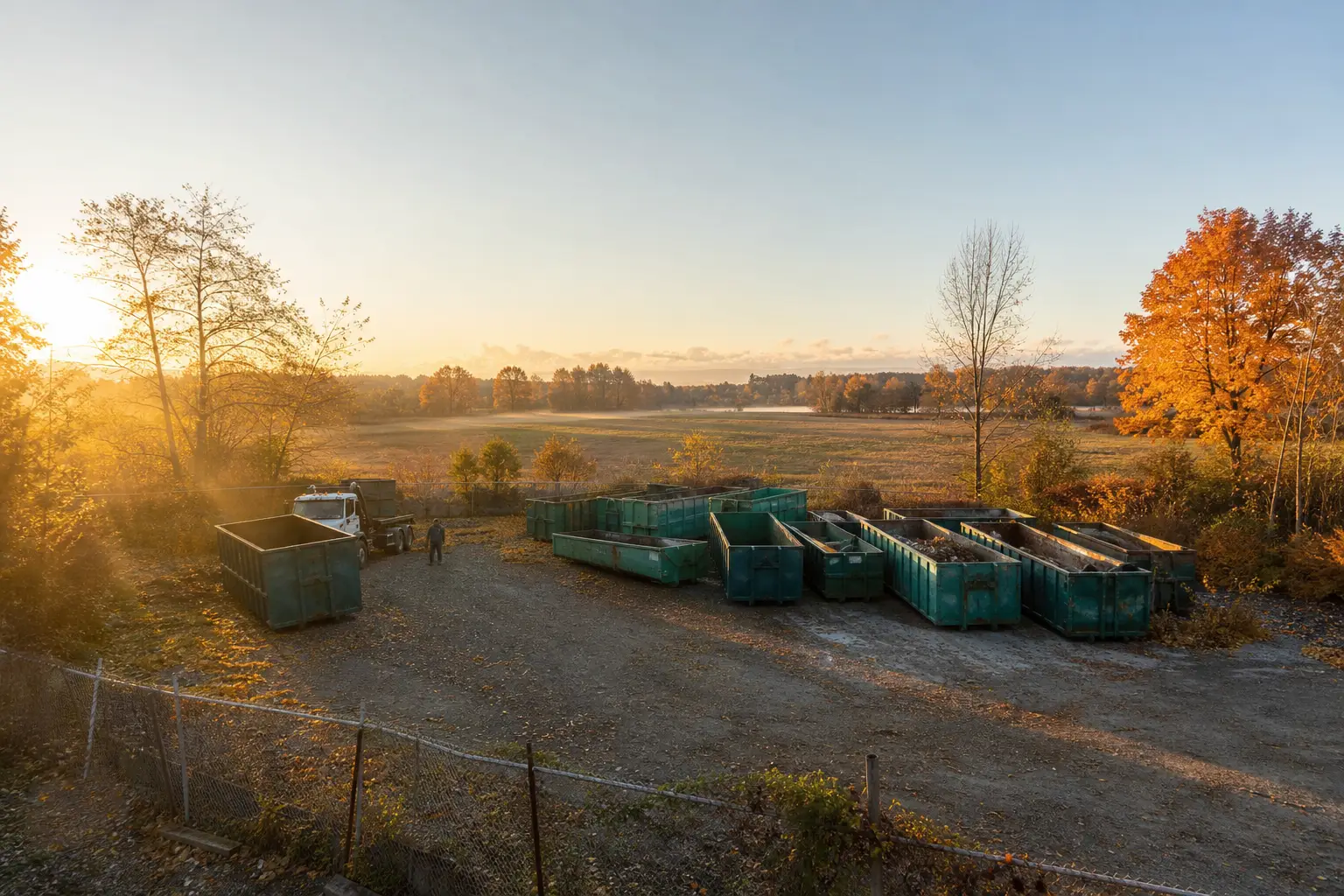
Ursula Dumpster Rental confirms placement before delivery and documents the finished setup with photos for your project record.

Choose the container by the job

The smallest workable container is often the better buy, provided weight and access are handled first.

  • 0110 YardSmall bathroom remodels, garage cleanouts, and limited household debris.
  • 0215 YardMedium cleanouts, flooring projects, and small roofing jobs.
  • 0320 YardKitchen renovations, moving projects, and larger residential cleanouts.
  • 0430 YardMajor remodels, roofing replacements, and bulky household debris.
  • 0540 YardLarge construction sites, commercial cleanouts, and recurring project waste.

Dumpster Rental Crown Point, IN gives homeowners, contractors, and property managers a practical way to control debris during local projects. Ursula Dumpster Rental helps choose the right capacity, checks the access route, and coordinates placement around driveways, garages, older streets, and active work areas throughout Crown Point.

  • Licensed, bonded and insured
  • Serving since 2017
  • 24/7, Monday to Sunday
  • 4175 + containers delivered
  • Serving Lake County

Common project types

Dumpster sizes for Crown Point cleanup work

The right container depends on volume, material, loading method, and the room available at the property. These job types help narrow the conversation before access and placement are confirmed.

  • Residential Cleanout Dumpsters

    For attic clearing, garage sorting, basement work, and ordinary household debris, a smaller container may be enough. We separate bulky items from dense materials before recommending capacity, because furniture takes space while masonry takes weight. Crown Point homes with tight driveways need an access check before delivery.

    Home cleanouts
  • Home Renovation Dumpsters

    Kitchen, bath, flooring, and room renovation debris arrives in uneven bursts. A container keeps tear-out material contained while crews work, but tile, plaster, cabinets, and lumber should be discussed separately. The driveway surface and distance from the work area determine where loading remains safe and efficient.

    Remodel debris
  • Roofing Debris Dumpsters

    Roofing jobs need a container positioned close enough for controlled loading without blocking ladders, material staging, or worker access. Shingles are heavy for their volume, so roof size and tear-off layers matter more than a quick visual estimate. We also check the approach for delivery equipment.

    Roofing work
  • Yard Waste Dumpsters

    Brush, branches, sod, and storm cleanup can fill a container quickly, especially when limbs are left long. Cut material down when practical and keep soil, concrete, and other dense debris separate unless accepted together. Wet spring conditions can soften Crown Point lawns, making placement protection worth discussing.

    Outdoor cleanup
  • Moving and Estate Cleanouts

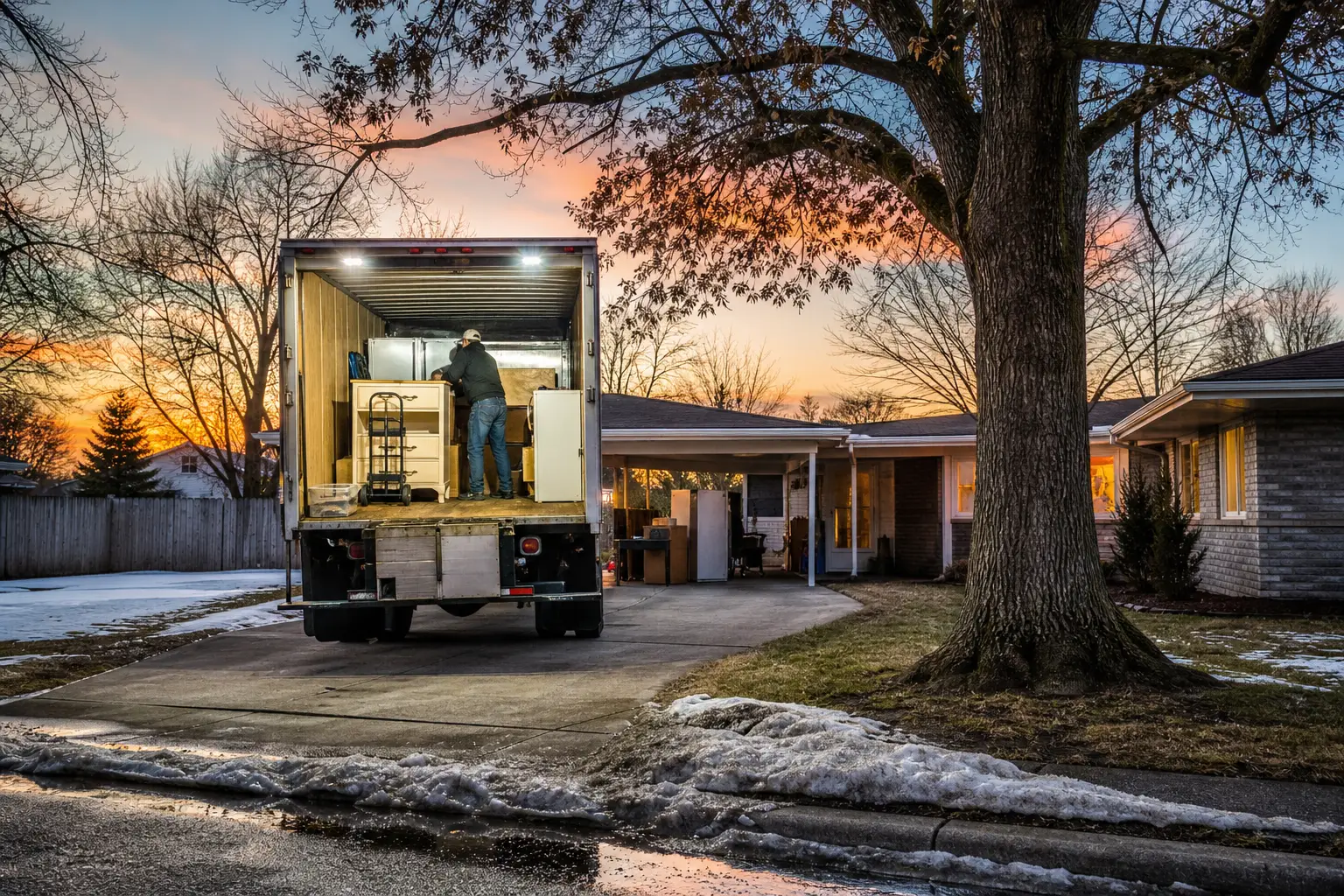
    Moving projects often combine boxes, furniture, appliances, and miscellaneous household material. A planned container gives the work a defined loading area and helps prevent last-minute pileups near the curb. For older Crown Point properties, confirm driveway width, overhead branches, and the location of steps before delivery.

    Household transitions
  • Same-Day Dumpster Delivery

    Same-day delivery depends on container availability, route conditions, access, and a placement location that can be reached safely. It is not a promise that every request can be completed immediately. Share the material, size, address, and preferred placement so the schedule can be checked honestly.

    Urgent cleanup
  • Concrete and Heavy Debris Dumpsters

    Concrete, brick, block, dirt, and asphalt require a different capacity conversation than light household debris. Dense loads can exceed practical limits before the container looks full. Keep heavy material limited to the agreed amount, and explain the source and approximate volume before the truck is dispatched.

    Dense materials
  • Commercial Jobsite Dumpsters

    Commercial work benefits from a placement plan that protects access for employees, suppliers, and other trades. We consider delivery lanes, loading patterns, fencing, and pickup clearance rather than dropping a container wherever space appears open. Crown Point businesses should identify any shared lot or public frontage concerns.

    Jobsite service
  • Recurring Commercial Dumpster Service

    Recurring service suits property managers, contractors, retailers, and facilities with continuing debris rather than one isolated cleanup. The useful plan sets container location, material expectations, access rules, and pickup coordination in advance. Changes in project phase or debris type should be reported before the next service date.

    Ongoing projects

Local work, checked

Crown Point projects need more than a container

Ursula Dumpster Rental has served the area since 2017, supplying containers for home cleanouts, remodeling, roofing, landscaping, and commercial work. Crown Point properties vary sharply. A newer subdivision may offer a broad driveway and a clean approach, while an older home near the central district may have narrow access, mature trees, overhead utility lines, or a street-side placement concern. Those details affect which container fits and where the truck can safely set it. Licensed, bonded and insured, Ursula Dumpster Rental keeps the conversation practical: identify the material, estimate the volume, inspect the access, and select a size that does not create a second problem.

We have delivered 4175 + containers, but the useful measure on any job is whether the container suits the site. Delivery planning includes the driveway surface, turning room, slope, overhead clearance, and the space needed to open or service the container. Pickup planning includes the fill level, heavy materials, and anything sticking above the rim. Clear delivery windows with placement photos and debris-level pickup checks give the customer a record of what was agreed and what was ready to leave. Availability is 24/7, Monday to Sunday, so a project can be discussed around the work rather than forced into a narrow schedule.
Why local details matter

The useful difference is in the planning

  1. Placement is treated as part of the job

    A container is not useful if the truck cannot reach the proposed spot or if the placement blocks the work. We account for pavement, gravel, lawn conditions, slopes, branches, utility lines, gates, and nearby traffic before delivery. That is especially relevant around older Crown Point blocks and narrow residential approaches, where the obvious open space may not be the safest set-down area.

  2. Material changes the recommendation

    A full container of clean cardboard is not the same load as a partly filled container of brick or shingles. Weight, shape, moisture, and loading height all change the practical choice. We ask what is being removed instead of treating every cleanout as ordinary household debris. That can prevent an oversized order, an unsafe load, or a pickup issue caused by dense material hidden under lighter waste.

  3. The handoff is documented

    Clear delivery windows with placement photos and debris-level pickup checks give the project a usable record. The photo confirms where the container was set, while the pickup check focuses on whether the load is contained and the approach is ready. This does not replace good loading habits, but it makes the agreed placement and collection condition easier to verify when several people share responsibility for the site.

How scheduling works

A straightforward plan prevents delivery problems

  1. Describe the project

    Start with the material, the rooms or areas involved, and the expected loading method. Mention concrete, dirt, roofing, appliances, brush, or other dense items early. A plain description is more useful than guessing a container size from a photograph or a pile viewed from the street.

  2. Review the access

    We discuss driveway width, surface condition, slope, overhead branches, utility lines, gates, and turning room. Crown Point properties can change quickly from one block to another. If the container must sit on a street or shared frontage, explain that location so applicable permission questions are not missed.

  3. Select the capacity

    Capacity follows the material as much as the pile size. Light bulky debris needs room, while concrete and roofing material reach weight limits sooner. We compare the available tiers with the job description and will say when a smaller option is the sensible choice or when it would force an extra load.

  4. Confirm placement

    Before dispatch, identify the exact set-down area and any protection needed for the surface. Keep vehicles, trailers, tools, and loose materials out of the truck approach. The placement plan should leave room for the container and the equipment to deliver and retrieve it safely.

  5. Load and coordinate pickup

    Load evenly, keep debris below the rim, and do not place prohibited or unapproved material inside. When the project is ready, pickup coordination includes the fill level, access condition, and any change to the original debris description. Clear delivery windows, placement photos, and pickup checks keep that handoff documented.

Related site services

Some jobs need more than debris space

Placement planning

Where a Crown Point container can safely sit

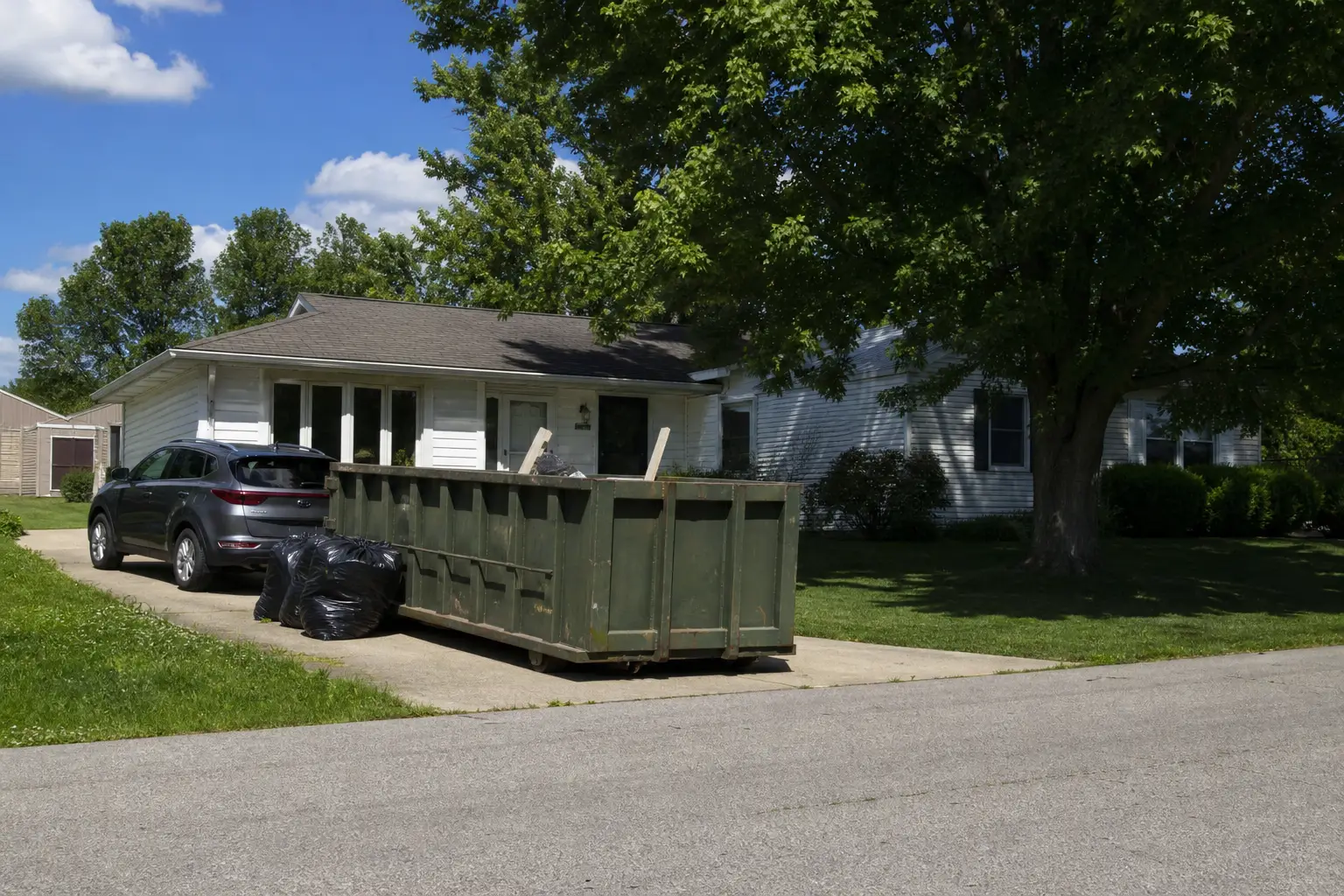
A Crown Point driveway is usually the first placement option because it keeps the container off traffic lanes and closer to the work. The surface still matters. Asphalt, concrete, compacted gravel, and soft soil behave differently under truck weight, especially after wet spring weather or a freeze and thaw cycle. Check for a straight approach, enough width for the delivery equipment, overhead branches, utility lines, low eaves, and room to lower the container without striking nearby property. A sloped drive, narrow side yard, gated lane, or shared parking area may change the plan. If the container has to sit on a public street, permission from the town or other authority usually needs to be settled first. Tell us the exact location rather than assuming the curb is available.

The truck needs a clear path, not merely an empty rectangle at the destination. Move parked cars, trailers, basketball goals, stacked lumber, and loose tools from the approach before delivery. On older streets near Crown Point's central district, parked vehicles and limited frontage can make a street-side plan impractical. Newer subdivisions may have wider drives but tighter turning patterns, mailbox locations, sidewalks, or landscaping that still affects the approach. The driver also needs to know about gates, retaining edges, overhead wires, and any surface that could be damaged by concentrated weight. A placement photo records the agreed set-down area, but it cannot correct a blocked route. Describe the approach, the proposed location, and any public access issue during scheduling.

Material and capacity

Crown Point homes change the size decision

Housing stock in Crown Point ranges from older central-city homes to newer subdivisions with different driveway layouts, garages, additions, and finished basements. That affects both volume and loading distance. A basement cleanout may produce dense mixed debris and require a longer carry, while a newer kitchen renovation can create cabinets, flooring, drywall, packaging, and appliances in separate stages. Roofing work adds another complication: shingles are compact but heavy, and multiple tear-off layers can reach a practical weight limit before a container looks full. Moving projects produce bulky furniture and boxes that need space, not just tonnage. The job description should include the building area, material type, and whether debris is being carried from inside, lowered from a roof, or wheeled from a garage.

The smallest tier is not automatically the cheapest choice if the material is bulky, mixed, or likely to exceed the rim. A larger container may be appropriate for light renovation debris, while a smaller one can make more sense for limited household material when access is tight. Concrete, brick, block, dirt, and asphalt deserve a separate conversation because concentrated weight can affect both safe loading and transport. Crown Point's wet springs can make yard waste heavier, and freeze and thaw conditions can soften edges or unpaved parking areas. Keep heavy debris within the agreed plan, distribute loads rather than piling everything at one end, and explain any change in material before pickup is arranged.

Working standards

What we check before the truck moves

  • Access is reviewed for width, slope, clearance, surface condition, and safe equipment movement.
  • Dense materials are discussed before delivery because weight can limit a container before volume does.
  • Driveways and lawns are considered differently when ground conditions may affect placement.
  • Every load should remain below the container rim and stable during transport.
  • Overhead branches and utility lines must leave adequate room for delivery equipment.
  • Public-street placement may require local permission before the container is set there.
  • Preparation keeps vehicles, tools, and loose debris away from the delivery approach.
  • Pickup coordination includes access, fill level, material type, and any changed site condition.

Questions before delivery

Dumpster rental questions Crown Point homeowners ask

What size dumpster do I need for a Crown Point cleanup?

The right size depends on debris volume, material weight, and available placement space. A 10 Yard container may suit a small bathroom remodel or limited garage cleanup, while larger renovations, roofing work, moves, and commercial jobs may need more capacity. Tell us what is being removed, how much area is involved, and where the container can sit. Crown Point driveways and older narrow approaches can affect the practical choice. Have the project type, material list, and placement address ready.

Can a dumpster go in my Crown Point driveway?

Usually, a driveway is the preferred placement when it is firm, accessible, and clear of low branches, wires, vehicles, and obstructions. The truck also needs a suitable approach and enough room to set the container down safely. Soft ground, steep grades, narrow gates, and shared drives may require another plan. Wet conditions can change lawn and gravel access in Crown Point. Identify the surface, slope, width, and overhead clearance before scheduling.

Can I place a dumpster on a Crown Point street?

A container on a public street usually needs town permission or other applicable approval before placement, and local conditions can determine whether the location is workable. Do not assume an open curb space is automatically available. Parked cars, traffic, sidewalks, and utility lines also affect delivery. Tell us the exact street-side location and any restrictions you know about. Have the address, proposed position, and property contact information ready.

How quickly can dumpster delivery happen?

Delivery timing depends on container availability, route conditions, access, placement readiness, and the material being loaded. Same-day requests can sometimes be considered, but no schedule should be promised before those details are checked. A clear approach and confirmed set-down area prevent avoidable delays in Crown Point neighborhoods. Availability is 24/7, Monday to Sunday. Have your preferred date, address, container size, and access details ready.

What can I put in a dumpster?

Ordinary renovation, household, roofing, yard, and commercial debris may be accepted when described accurately before delivery. Concrete, dirt, brick, asphalt, appliances, liquids, hazardous materials, and unusual items can require separate handling or approval. Rules depend on the material and disposal requirements, so ask before loading anything uncertain. Wet yard debris may become heavier than expected. Prepare a complete material list, including dense or potentially restricted items.

How full can the dumpster be?

Load debris evenly and keep everything below the container rim so the load remains contained during transport. Do not leave boards, branches, furniture, or other material projecting above the top. Dense debris should also stay within the agreed weight plan even when the container is not full. Crown Point wind, road travel, and pickup access make a stable load necessary. Keep the upper edge visible as you load and request pickup when the container is ready.

Do I need to protect my driveway?

Driveway protection may be appropriate depending on the surface, condition, slope, weather, and delivery equipment. Concrete, asphalt, gravel, and older or cracked surfaces do not respond the same way to concentrated truck weight. Protection cannot fix an unsuitable approach or a soft area after heavy rain. Discuss the surface and any existing concerns before delivery in Crown Point. Have photos or a clear description of the driveway, gate, and proposed set-down area ready.

Is dumpster rental available on weekends in Crown Point?

Ursula Dumpster Rental is available 24/7, Monday to Sunday, for scheduling and project coordination. Actual delivery or pickup timing still depends on availability, route conditions, access, and a safe placement plan. Weekend work does not remove the need to clear the approach or confirm any public-street permission. Crown Point properties with shared drives should be checked with other occupants. Have the desired date, material type, and access plan ready.

Plan the placement

Bring the project details to the call

Ursula Dumpster Rental can review your Crown Point project, compare container sizes, and discuss where the truck can safely work. Explain the debris, access route, surface, preferred placement, and desired schedule. Honest details help prevent an unsuitable size or a delivery attempt at a blocked location.

Phone

(219) 361-0699

The call covers container capacity, accepted materials, access conditions, placement, scheduling, and pickup preparation.

Availability

24/7
Monday to Sunday, day and night

Have this ready

  • Project address and placement area
  • Debris type and approximate volume
  • Driveway, gate, and overhead clearance details
  • Preferred delivery and pickup dates

Where we work

Crown Point, plus Winfield, Merrillville, Schererville, Hobart, St. John, Cedar Lake, Griffith, Lake Station, Highland and Dyer.

See the full service area list

Start with the material and the access

Tell Ursula Dumpster Rental what you are removing, where the container needs to sit, and what the truck must navigate. The right recommendation starts with those details, not a guess based on a pile from the curb.

Click Here to Call(219) 361-0699

Crown Point service area

Dumpster service across Crown Point

Ursula Dumpster Rental focuses this page on Crown Point, from central neighborhoods and older residential blocks to newer subdivisions, commercial corridors, and properties near open farmland. Service also reaches Winfield, Merrillville, Schererville, Hobart, St. John, Cedar Lake, Griffith, Lake Station, Highland, and Dyer. Each address still needs its own access, placement, material, and scheduling review.

Crown Point Historic DistrictDowntown Crown PointSummertreeWhite Hawk Country ClubEllendale FarmThe Retreat

Dumpster Rental in nearby towns

Click Here to Call(219) 361-0699